There's Enough! 15 Things About Window Handle Repair We're Fed Up Of Hearing


Window Handle Repair - How to Fix a Broken Spindle Without Replacing the Whole Window
If it's a damaged handle, a loose lock or a worn-out gear, there are a myriad of issues with uPVC and aluminium windows that can be resolved quickly without the need to replace the entire window. Click here to find out how!
The first step is disconnection of the crank arm from the operator mechanism. It is done by opening the window until the crank arm guide bushing aligns with a notch in the window track.
Broken spindle
A damaged spindle could be a serious problem that can lead to a loss of productivity in your workshop. It can take weeks to replace it and, as a result, you'll have to miss time that could have been used on other tasks. There are, however, ways to repair the spindle without replacing it. Find a reputable repair service. A professional will be able to disassemble the spindle and then examine it to determine the root of the problem. They will also be able to provide you with specific information regarding the work to be done.
When you are repairing a spindle you must be cautious when handling the wood. It is essential to work on an area that is clean and ensure that you don't damage the spindle while you are working on it. Also, you must be sure to follow each step of the process to prevent damage and mis-assembly. You should record the entire process to ensure you know that it was done correctly.
To fix a damaged spindle, you will need to reduce one of the tenons, and then drill a hole in both ends of the tenon. The hole must be large enough to accommodate a dowel of the same length as the shorter tenon. The dowel will hold the tenon in place. After the dowel is installed, you can apply glue to both ends of the tenon and then nail them to the handrail.
If you cannot find an equivalent then you can have an expert woodworker or cabinet maker make one for you. This will cost more, but you will have a precise replica of the original. A quick touch-up with sandpaper and a small amount of stain can make this repair almost invisible.
You can also purchase a generic spindle at a home center. They are made of pine and can be stained in any color to match your staircase. They are typically sold by home centers at around $10, but they might not have your design. If that's the situation, you'll need to find someone who has an lathe that can turn into a replacement for you.
Screws loose
Over time, screws be loosened due to usage and wear. This can cause the window handle to be wobbly or not have a solid feeling when you open and close the door. The good news is that fixing a broken window handle is a simple DIY job that can be done in a matter of minutes.
You need to first access the screws that are in your handle. Usually, there are plastic caps on the screws at the top or the bottom of the handle. Remove the caps using the help of a screwdriver or your fingernail. Be careful not to damage any screws. Once you've reached the screw and tightened it to a certain degree, it should be secure. Do not tighten door handle repair as this could strip it.
The screw at the bottom is next. This can be identified by removing the handle, and then looking behind it. Once you have located the screw that is on the bottom you can tighten it in similar fashion to the top screw. Be careful not to tighten too much the screw head.
If your operator cover is slipping from the sill of your awning window or casement unit, it's easy to fix the issue with wood plugs. They're readily available at most hardware shops and are a cost-effective and quick fix for the problem of a sagging cover for your operator.
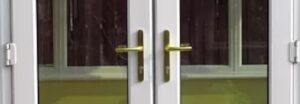
You should always inspect each area of the window whenever you are fixing it. This will help you determine the issue and then fix it properly. This will prevent future issues and save you money in the end. Additionally, executing regular maintenance and scheduling simple procedures is a great way to avoid hefty repairs.
One of the most common reasons for a handle that is loose is a screw that has become loose. This could be due to normal wear and tear or improper installation. This could result in to a weak connection between the window frame and handle. This could lead to leaks or even the breaking of the window. The good news is that you can tighten the screws using the screwdriver of your choice.
Broken crank
If a window crank fails to turn or even spin when you pull it you pull it, it's time to purchase a replacement. Also referred to a casement operator, the mechanism that opens and closes the jalousie window could develop problems over time, such as worn-out "splines" or broken gears, reports Family Handyman. Replacing the crank that was used is a fairly straightforward project that requires just a few basic tools.
Begin by removing the attachment screw located at the base of the handle using a screwdriver and pulling the handle off the crank stud to inspect the spline that is beneath it as well as the teeth within the crank-handle grip. All About Doors & Windows suggests that you repair worn teeth by replacing the handle. This is available at home centers and full service hardware stores. However, if the gears or spline are damaged, the entire operator is required to be replaced.
To remove the crank arm from window guide track and slide it out until the guide bushing at the end of the arm is in alignment with the notch in the track (you may need locking pliers). Then, take off the casement cover by loosening trim screws. You can employ a screwdriver or knife to remove the cover. Replace any trim screws that are rusted with new ones. Finally, reattach the crank arm and cover to the window jamb by matching the new crank with the holes of the old crank. If the holes in the screws are stripped, stick a toothpick or two in them to fill in the holes and then drive the screws.
The new bushing should slide onto the arm and into the window's notch track. The handle should be placed over the crank stud, then put the attachment screw in. You can now open your windows to enjoy the cool summer breeze. Don't forget to take a look at your work and realize that you can fix anything!
Broken handle
A damaged or broken window handle could be a major security issue in that it could allow burglars to gain entry into your property. It's therefore important to replace your handle as quickly as you can to safeguard your home. Fortunately it's a easy task that is accomplished by most homeowners. The first step is to remove the old handle, which can be done by unscrewing the screws which hold it in place. Once the handle is removed, you can replace it with a new one using the same screws. If you're not confident doing this yourself, it's a good idea to hire a professional.
There are several different types of uPVC windows and the handles are often made of a different material than the rest of the window. To be able to determine the type of handle you have it is essential to know how the mechanism operates. The "spur" handle is the most popular uPVC window type. It works by locking a system by pushing the nose across the block in a wedge shape. This kind of handle can be found most commonly on tilt-and-turn uPVC Windows, however it can also used on casement Windows.
The second type of uPVC window handle is known as the "blade" or "spade" type and has similar to the spur handle. The distinction between the two is that the blade handle utilizes an operating roller cam to control the bolts for shooting, whereas the spur handle uses a peg that is used to connect with the lock's lugs.
The problem with these type of window handles is that the spindle inside the handle may break, meaning that it will not have a connection on the bolts for shooting or roller cam. The handle could end up spinning in a 360-degree circle without opening the window and this can be irritating and frustrating. To correct this issue problem, you can use a small tool to move the shoot bolts (although make sure the window is unlocked first). Insert the tool between window frame and rubber seal, and gently push the tool towards the handle. Then, you can open the window by slowly pulling the tool away.